


Afro Positive Tourism: Rediscovering Africa Beyond the Usual Narrative
Growing up in a village may sometimes be viewed as a sign of poverty, and in some cases, that reality exists. But for me, growing up in the village became a foundation that shaped my understanding of life, culture, identity, and the world around me.
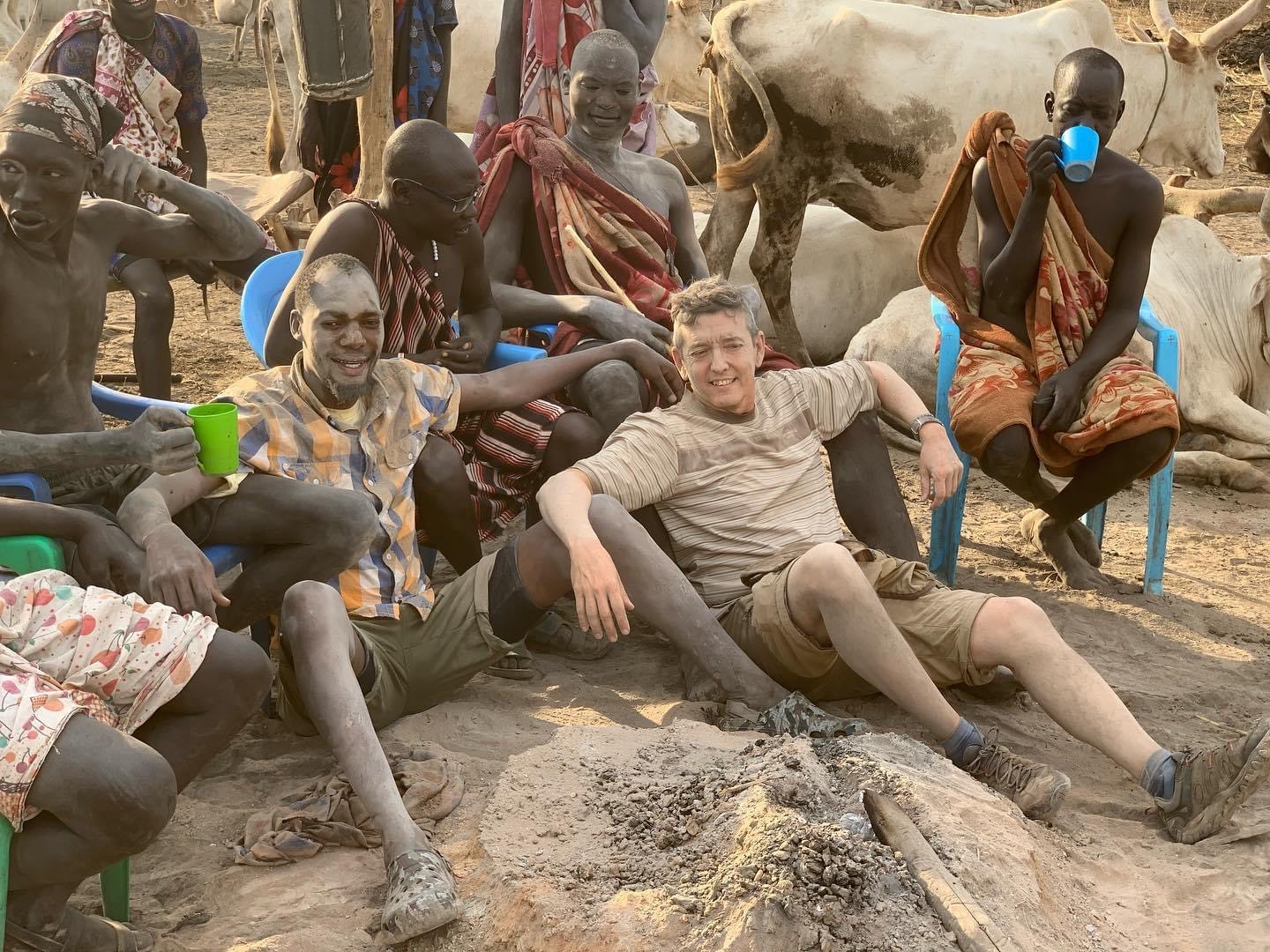
When I received the opportunity to study, I was fortunate to pursue what I believe is one of the most powerful fields — tourism. Through tourism, I discovered that Africa has many stories waiting to be told.
When I entered the tourism industry, I noticed that many people’s focus was mainly on wildlife, landscapes, and the natural beauty of Africa. These are important parts of our continent, but after spending about three years in the field, I began to think differently. I started asking myself: What about the people? What about our traditions? What about our history and the stories that have shaped Africa for generations?
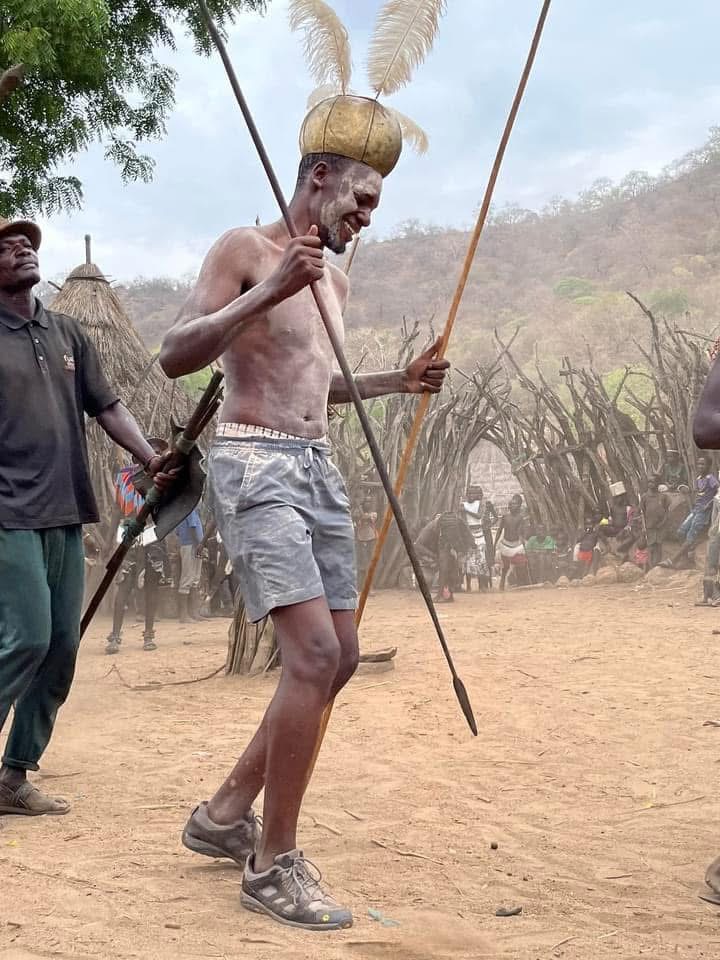
This is where my idea of Afro Positive Tourism was born.
Many people may call it cultural tourism, but to me, Afro Positive Tourism is more than just showcasing culture. It is about changing the way Africa is seen by the world. It is about presenting Africa through a positive lens — celebrating our communities, our traditions, our values, our history, and the beauty that exists beyond the common narratives often shared about our continent.
One area where we need more understanding is the difference between traditional beliefs and practices that are harmful. Today, many people misunderstand African traditional worship and sometimes confuse it with witchcraft, yet these are not the same.
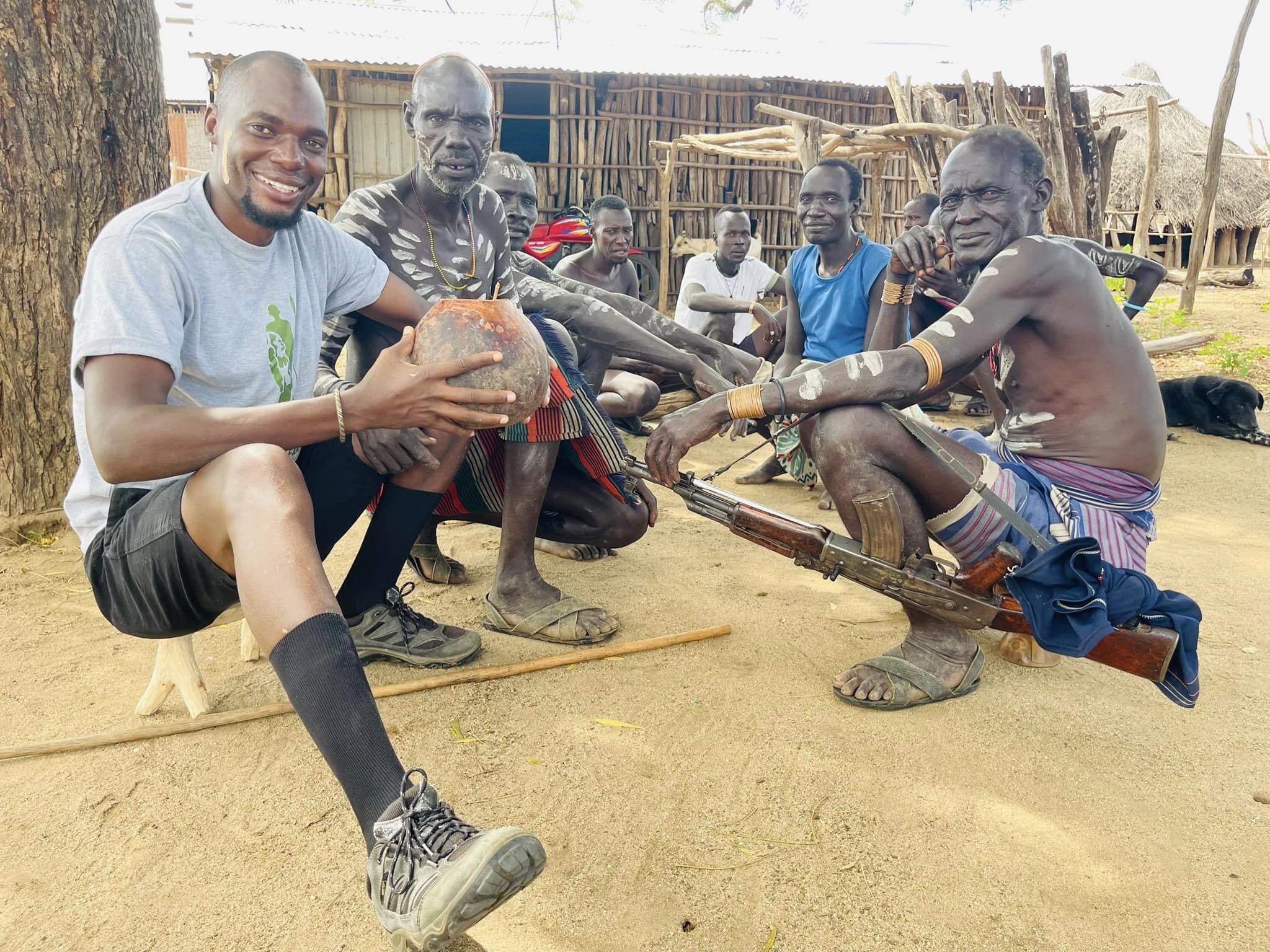
Long before the arrival of modern religions such as Christianity and Islam, African societies already had systems of belief, values, and spirituality. Many communities believed in a Creator or a supreme being responsible for life and the existence of the universe. They respected nature, honored their communities, and followed traditions that guided their relationship with one another and the environment.
African traditional systems were not built around destroying others. In many communities, actions considered harmful to society were rejected because they went against the values of unity, responsibility, and respect for life.
This raises an important question: should ancient civilizations and communities be judged negatively simply because their spiritual expressions and ways of worship existed before modern religions arrived?

History shows us that many belief systems across the world have carried messages about respecting life, protecting nature, and creating responsibility among people. African societies also held these principles through their connection with the land, their communities, and their understanding of the Creator.
The challenge is that many African traditions have often been viewed through foreign perspectives. Some practices were misunderstood, labeled as backward, or even described negatively without taking time to understand their deeper meaning and purpose.
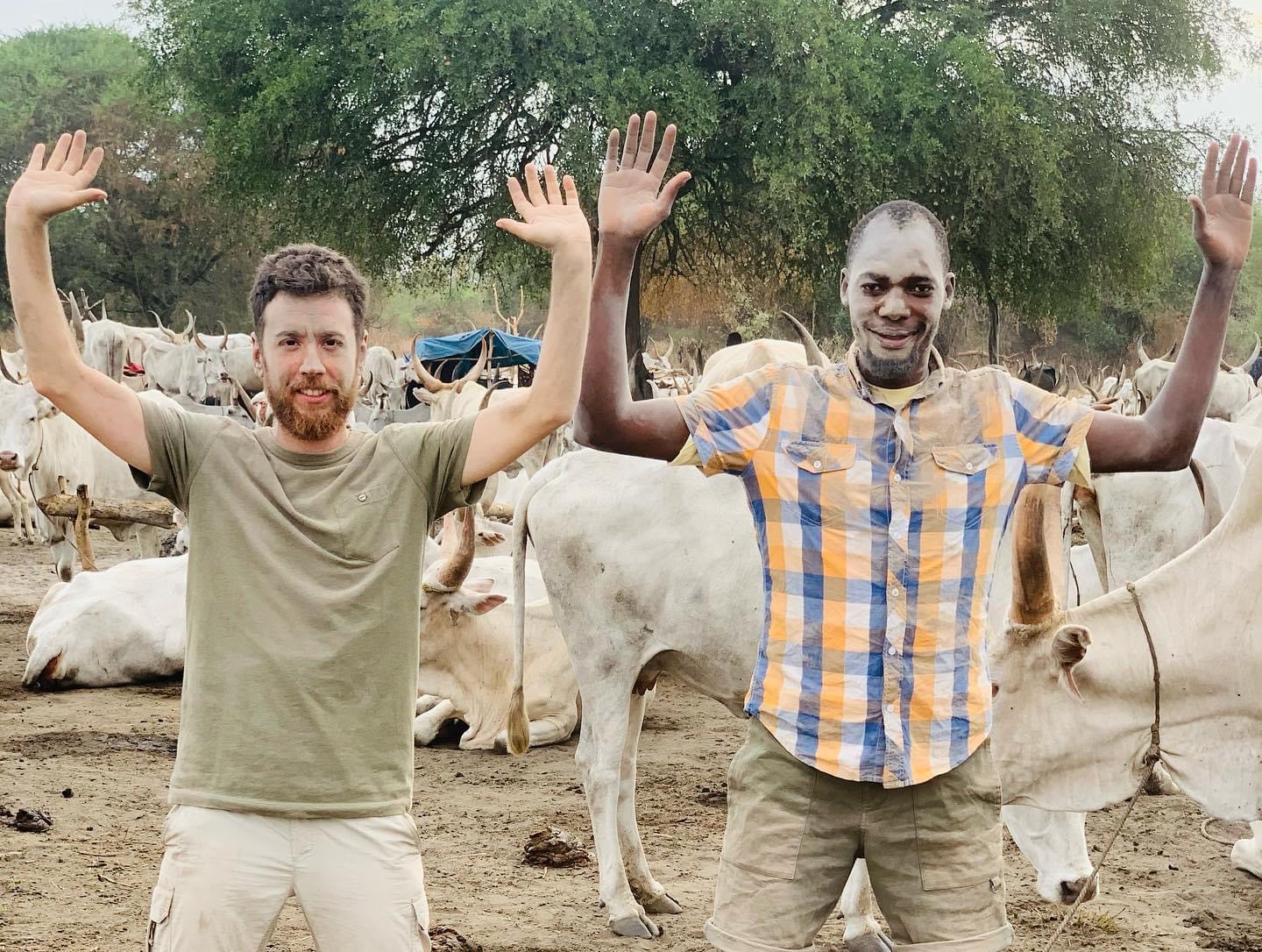
Africa’s traditions deserve to be explored with curiosity, respect, and knowledge — not through fear or assumptions.
Understanding our roots does not mean rejecting other beliefs. It means appreciating our journey, respecting the wisdom passed down by generations, and recognizing that Africa has always had its own identity, knowledge, and values.
Through Afro Positive Tourism, my goal is to help tell these stories — to show the world that Africa is not only a destination to visit, but a continent to understand, experience, and celebrate.
